Types of Water Heaters
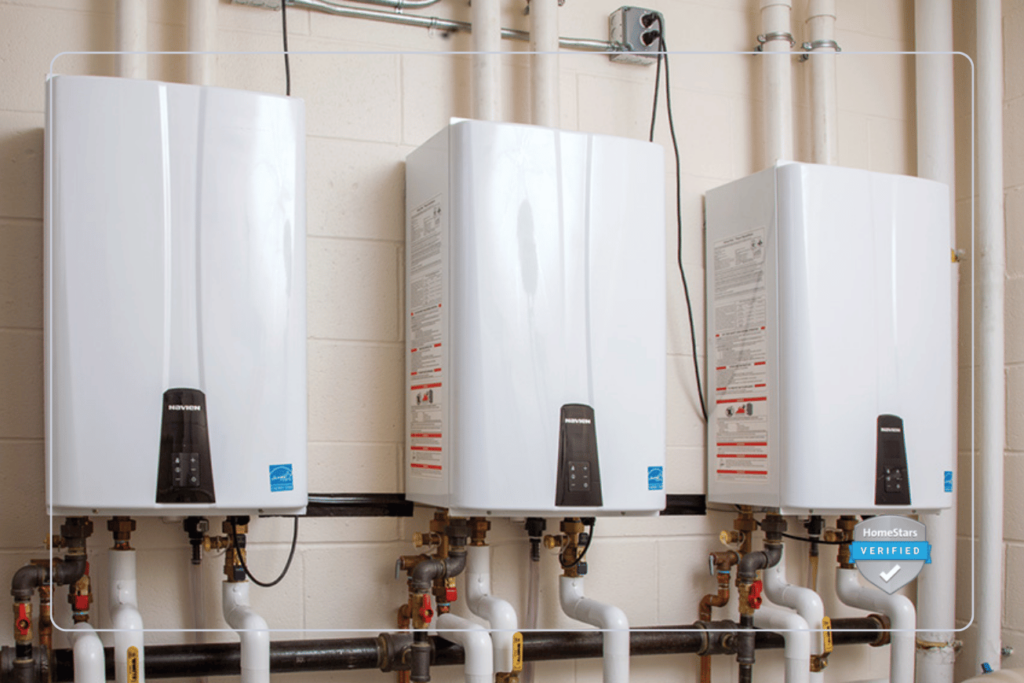
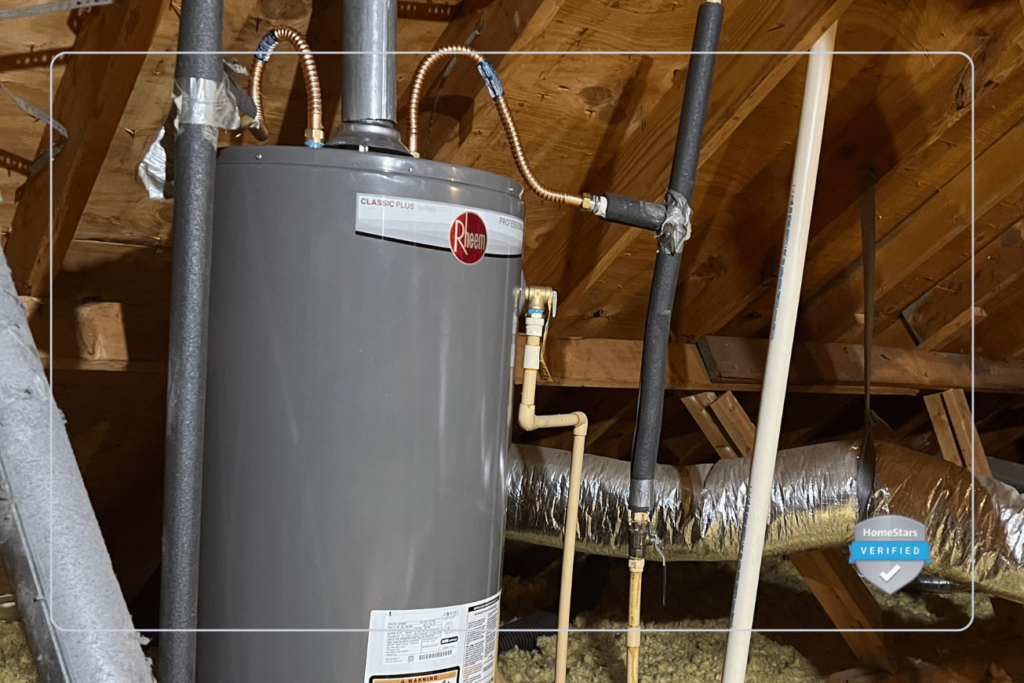
When considering water heater options, it's essential to understand the different types available. The two primary categories are tankless and tank water heaters, each catering to unique needs and preferences. Tankless water heaters provide on-demand hot water, making them ideal for homes with fluctuating hot water needs, while traditional tank heaters store hot water for immediate use.
Choosing the right type can significantly impact your home's energy efficiency and comfort. For instance, tankless models can save space and reduce energy costs over time, while tank heaters may be more affordable upfront. Understanding these differences helps homeowners make informed decisions that align with their lifestyle and budget.
Benefits of Tankless Water Heaters
Tankless water heaters offer numerous advantages that make them an appealing choice for many homeowners. One of the primary benefits is their ability to provide continuous hot water, ensuring that you never run out during peak usage times. Additionally, they are more energy-efficient than traditional tank models, as they only heat water when needed, which can lead to significant savings on utility bills.
Moreover, tankless water heaters have a longer lifespan, often lasting over 20 years with proper maintenance. Their compact size allows for flexible installation options, freeing up space in utility areas. This combination of efficiency, longevity, and space-saving design makes them a worthwhile investment for modern homes.
Water Heater Installation Process
The installation process for water heaters is critical to ensure optimal performance and safety. It typically begins with assessing your home’s hot water needs, followed by selecting the appropriate model. Professionals will then remove the old unit, if applicable, and install the new water heater according to local codes and manufacturer guidelines.
During installation, technicians will connect the unit to your home's plumbing and electrical systems, ensuring everything is functioning correctly. After installation, a thorough inspection and testing are conducted to confirm that the water heater operates efficiently and safely. Proper installation not only enhances performance but also extends the lifespan of the unit.
Water Heater Maintenance Tips
Regular maintenance is essential to keep your water heater functioning efficiently and to prolong its lifespan. Homeowners should schedule annual inspections to check for any potential issues, such as sediment buildup, which can affect performance. Flushing the tank regularly helps remove sediment and prevent corrosion, ensuring that your water heater operates at peak efficiency.
Additionally, checking the anode rod every few years can prevent rust and extend the life of your tank. Homeowners should also monitor the temperature settings to prevent overheating and ensure safety. By implementing these maintenance practices, you can avoid costly repairs and enjoy uninterrupted hot water service.